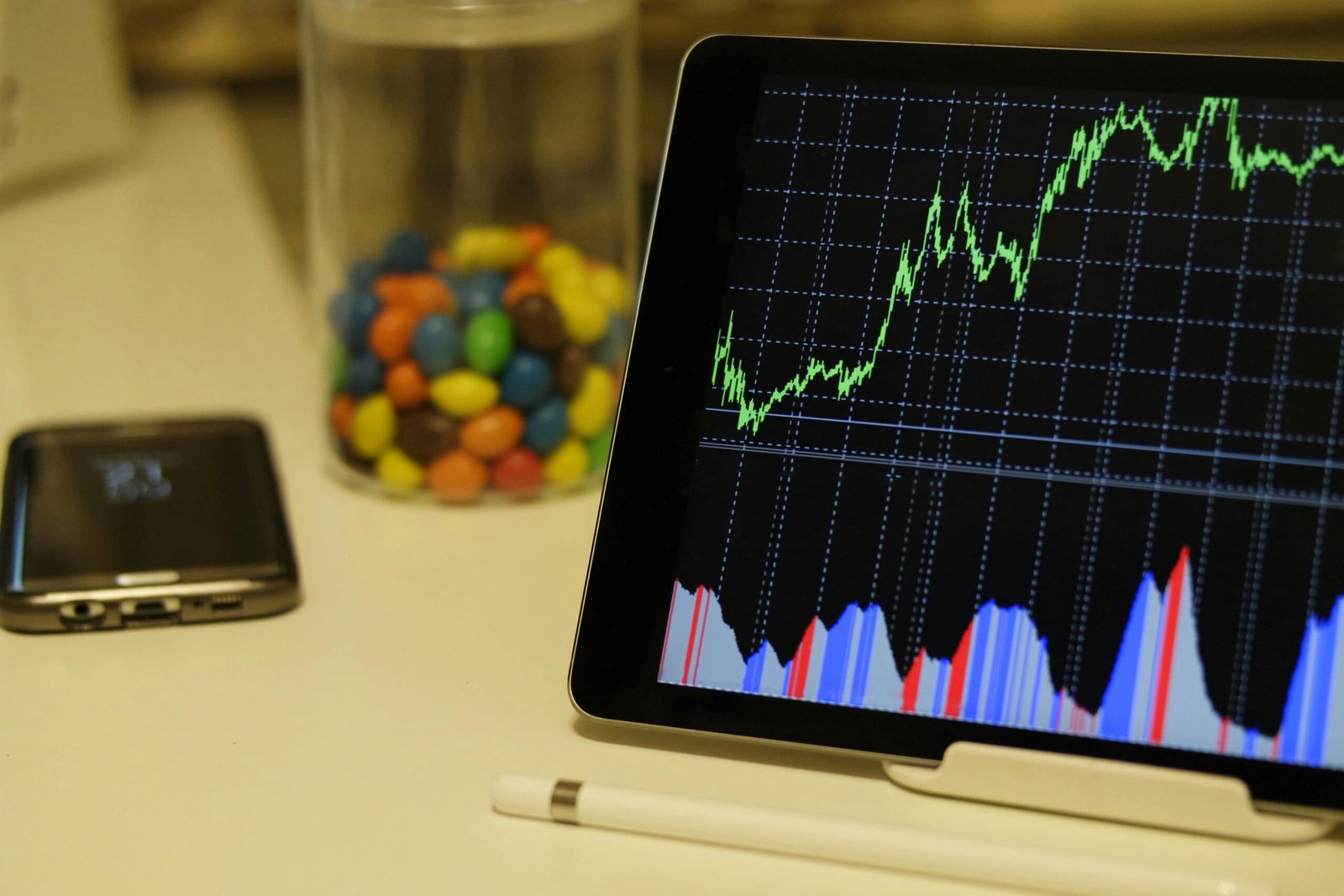


Intraday trading has become one of the most dynamic and challenging forms of investing. Unlike long-term investing, intraday trading requires precision, speed, and a disciplined mindset. Traders buy and sell financial instruments within the same day, aiming to profit from small price movements. However, while the opportunities for gains are immense, so are the risks.
This guide provides a comprehensive overview of how traders can enhance their skills with structured approaches, proven strategies, and practical techniques. From technical analysis to effective money management, this post covers essential insights every aspiring trader should know.
Understanding Intraday Trading
Intraday trading involves opening and closing positions within a single trading day. The goal is to capitalize on short-term price movements rather than holding onto assets long term.
Key characteristics include:
- Short holding periods – Positions are squared off before the market closes.
- High liquidity requirements – Traders focus on liquid assets for fast entry and exit.
- Leverage use – Margin trading is common but comes with elevated risk.
- Focus on volatility – The higher the price movement, the greater the profit potential.
Essential Tools for Day Traders
Professional traders rely on a wide range of tools to analyze the market and execute trades effectively.
1. Charting Platforms
Advanced charting tools allow traders to visualize price action and spot opportunities. Candlestick charts, moving averages, and trend lines are essential for technical analysis.
2. News Sources
Real-time financial news and economic calendars are crucial since events like interest rate decisions, earnings reports, or geopolitical updates can cause sudden price fluctuations.
3. Trading Terminals
Fast execution is vital. A robust trading terminal with low latency ensures that orders are placed quickly without slippage.
4. Risk Management Calculators
Position size calculators, stop-loss estimators, and margin calculators help maintain discipline.
Strategies Every Day Trader Should Know
While there’s no guaranteed way to succeed, tried-and-tested strategies can improve the odds.
Momentum Trading
Traders enter positions when assets are moving strongly in one direction with high volume. For example, if a stock breaks its resistance level with significant trading activity, it can signal a buy opportunity.
Breakout Strategy
When the price moves beyond defined support or resistance levels, it often indicates the start of a new trend. Breakouts must be confirmed with high volume to avoid false signals.
Scalping
Scalpers make multiple trades throughout the day, aiming for small profits from tiny price fluctuations. This strategy requires strict discipline and lightning-fast decision-making.
Mean Reversion
Prices tend to return to their average after moving too far in one direction. Traders identify overbought or oversold levels using indicators like RSI (Relative Strength Index).
Risk Management in Intraday Trading
Managing risk is the most critical part of day trading. Even the best strategy can fail without proper risk controls.
Key principles include:
- Set stop-loss orders to cap potential losses.
- Never risk more than 1–2% of your trading capital on a single trade.
- Diversify across multiple assets to avoid overexposure.
- Follow risk-reward ratios (e.g., risking $100 to gain $300).
- Avoid over-leverage since it magnifies both profits and losses.
The Psychology of Intraday Trading
Success in intraday trading depends as much on mindset as on technical skill.
Common Psychological Challenges
- Fear of missing out (FOMO) leads to impulsive trades.
- Greed tempts traders to hold positions longer than they should.
- Revenge trading after losses often worsens the situation.
- Overconfidence can cause traders to ignore risk management rules.
Building the Right Mindset
- Stick to a trading plan and predefined rules.
- Practice patience – not every market movement is a trading opportunity.
- Develop emotional resilience through journaling and performance reviews.
Case Study: A Practical Intraday Trade
Imagine a trader analyzing a stock that has shown consistent upward momentum over several days. The trader notices the stock breaking through a resistance level on high volume.
- Entry point: The trader buys when the stock crosses resistance.
- Stop-loss: Placed just below the resistance level to minimize risk.
- Exit point: The trader exits at the next technical resistance level.
This disciplined approach ensures limited downside while maximizing upside potential.
Common Mistakes to Avoid
- Ignoring stop-loss levels and holding losing positions.
- Overtrading in hopes of recovering earlier losses.
- Lack of preparation by entering trades without a strategy.
- Relying solely on tips instead of conducting independent analysis.
- Failing to adapt when market conditions change.
Building a Consistent Trading Routine
A structured routine helps traders maintain focus and discipline.
- Pre-market preparation: Review economic calendars, earnings releases, and global market trends.
- Trading hours: Stick to liquid times of the day, such as the market opening and closing.
- Post-market review: Analyze performance, note mistakes, and refine strategies.
Technology and Automation in Intraday Trading
Algorithmic and automated trading have changed the landscape of intraday strategies.
- Automated bots can execute trades faster than humans.
- Backtesting tools help validate strategies on historical data.
- AI-driven analytics predict potential opportunities based on massive data sets.
While automation improves efficiency, traders must still monitor for unexpected events.
FAQs
1. What is the best way to follow profitable intraday trading advice 66unblockedgames.com?
By combining technical strategies, disciplined risk management, and market awareness, traders can apply structured methods effectively.
2. Can beginners rely on profitable intraday trading advice 66unblockedgames.com?
Yes, but beginners should start with small capital, practice on demo accounts, and gradually build confidence before scaling up.
3. How important is psychology in profitable intraday trading advice 66unblockedgames.com?
Psychology is critical, as emotions like fear, greed, and impatience can undermine even the most well-planned trades.
4. Are automated systems useful in profitable intraday trading advice 66unblockedgames.com?
Automation can help with execution and backtesting but should complement, not replace, human judgment.
5. How can one minimize losses with profitable intraday trading advice 66unblockedgames.com?
By using stop-losses, limiting risk per trade, and maintaining strict money management rules, traders can control downside risks.
6. Do professionals always follow profitable intraday trading advice 66unblockedgames.com strictly?
Most successful traders stick to proven frameworks but also adapt to changing market conditions.
7. Can news trading be part of profitable intraday trading advice 66unblockedgames.com?
Yes, many traders use news-based strategies, but timing and risk management are crucial due to volatility.
Conclusion
Intraday trading is an exciting yet demanding endeavor that requires skill, discipline, and emotional balance. By focusing on proven strategies, robust risk management, and continuous learning, traders can significantly improve their chances of success.
Applying structured methods and consistently refining your approach can transform day trading from guesswork into a professional practice.
If you’re ready to explore deeper, start by building a clear plan, managing risks responsibly, and practicing discipline every day. The opportunities are endless for those who prepare well and stay consistent.