

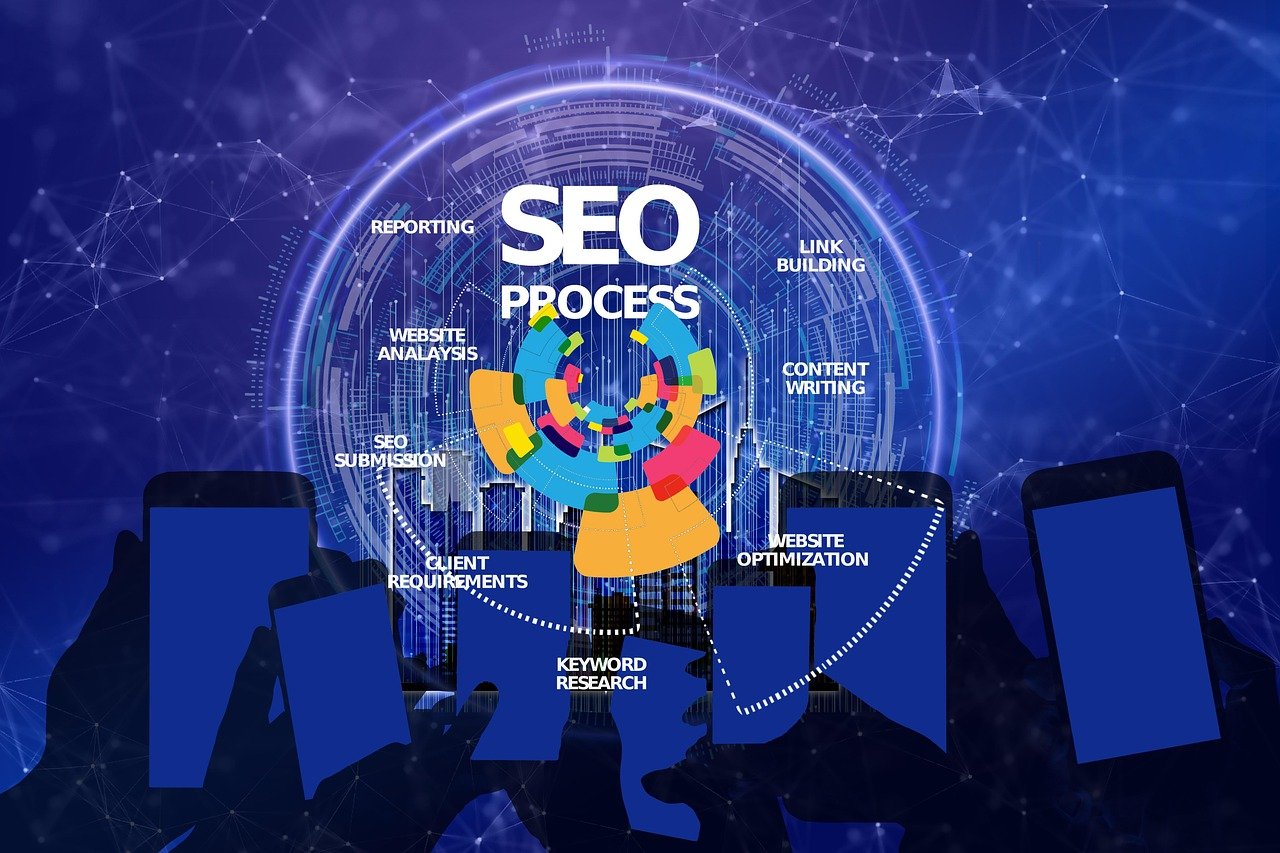
In today’s digital-first marketplace, businesses compete fiercely for online visibility. Search engines have become the gateway to customers, and appearing on the first page can determine whether a brand thrives or gets lost in obscurity. At the core of search engine visibility lies keyword strategy — the process of identifying and implementing the right terms that align with what potential customers are searching for.
This article explores the concept through the lens of keyword optimization by Garage2global, examining its principles, strategies, and practical applications. We will break down the role of search intent, semantic keyword integration, and advanced optimization methods that help brands build stronger digital footprints.
Why Keyword Strategy Matters in SEO
Search engines operate on algorithms that match user queries with relevant content. Without a deliberate approach to keyword placement, businesses risk creating content that remains invisible to their intended audience.
Key reasons why keyword strategy remains vital:
- Discoverability: Ensures content appears in search results when users enter relevant queries.
- Relevance: Signals to search engines that your content directly answers user needs.
- Competitive Edge: Outperforming rivals by ranking higher for industry-specific phrases.
- Conversion Potential: Attracts targeted visitors more likely to take action.
Understanding Search Intent
Modern SEO goes beyond inserting words into articles. It requires understanding why users are searching. Search intent typically falls into three categories:
- Informational: Users seek knowledge (e.g., “What is on-page SEO?”).
- Navigational: Users want to find a specific brand or site (e.g., “HubSpot login”).
- Transactional: Users are ready to purchase or act (e.g., “best CRM software pricing”).
By aligning content with these intents, businesses maximize engagement and ensure they meet audience expectations.
Foundations of Effective Keyword Planning
Before diving into advanced methods, it’s important to establish a strong foundation. Successful keyword planning involves several steps:
1. Audience Research
Understanding who your audience is, their challenges, and how they search online is crucial.
2. Competitive Analysis
Review what competitors rank for, identify content gaps, and discover opportunities to outperform them.
3. Long-Tail Keywords
These are extended phrases with lower competition but higher specificity. For example, “best eco-friendly packaging for e-commerce” attracts buyers closer to decision-making.
4. Tools and Platforms
- Google Keyword Planner for volume and competition data.
- SEMrush or Ahrefs for competitive insights.
- AnswerThePublic for identifying trending queries.
Keyword Optimization by Garage2global in Practice
Garage2global emphasizes a structured, data-driven approach. Instead of guessing what works, it uses performance analytics, AI-driven insights, and market research. This structured process ensures businesses focus on terms that matter most to their niche.
The framework involves:
- Identifying core topics.
- Mapping keywords to content types.
- Analyzing search intent.
- Tracking performance metrics.
On-Page SEO and Keyword Placement
Optimizing content requires strategic placement of chosen terms across various elements:
1. Title Tags
The page title should clearly reflect the target phrase while remaining engaging.
2. Meta Descriptions
Though not a direct ranking factor, meta descriptions influence click-through rates.
3. Headers and Subheaders
Breaking down content with H2 and H3 tags makes it easier for both users and search engines to understand.
4. Body Text
Use related semantic terms naturally — avoid forced repetition.
5. Image Alt Text
Adding descriptive alt tags improves accessibility and enhances search visibility.
Keyword Optimization by Garage2global and Content Strategy
A major aspect of this methodology is integrating keyword insights into overall content planning. Instead of creating isolated pieces, brands should build clusters around central themes.
Topic Clusters Example
- Pillar Page: Digital Marketing for Startups
- Supporting Blogs:
- Best social media strategies for new businesses
- How to set up email campaigns that convert
- Essential SEO practices for small brands
- Best social media strategies for new businesses
By interlinking these articles, businesses create topical authority, signaling credibility to search engines.
Avoiding Common Mistakes
Even with the right tools, many businesses falter in execution. Some pitfalls to avoid include:
- Keyword Stuffing: Overusing terms makes content unreadable and risks penalties.
- Ignoring User Experience: SEO is useless if readers abandon the page.
- Targeting Irrelevant Terms: Ranking for popular words means little if they don’t align with offerings.
- Neglecting Analytics: Without monitoring results, businesses can’t refine strategies.
Advanced Techniques in Keyword Optimization by Garage2global
1. Latent Semantic Indexing (LSI)
Incorporating synonyms and contextually related terms improves content depth.
2. Voice Search Optimization
With smart devices on the rise, optimizing for conversational queries like “near me” searches is essential.
3. Local SEO Integration
Adding geo-specific terms helps small and medium businesses capture regional markets.
4. Predictive Analytics
Leveraging AI tools to forecast future keyword trends ensures long-term relevance.
Real-World Case Study
Scenario: A mid-sized e-commerce company struggled with low organic visibility despite a strong product lineup.
Approach:
- Conducted comprehensive keyword mapping.
- Restructured site architecture with topic clusters.
- Optimized meta tags, headers, and alt attributes.
- Built a consistent blog schedule aligned with search intent.
Outcome:
- 65% increase in organic traffic within six months.
- 40% higher conversion rates.
- Improved brand recognition across search engines.
The Role of Analytics in Continuous Improvement
Tracking and adjusting strategies is as important as initial execution. Key performance indicators (KPIs) to monitor include:
- Organic traffic growth
- Keyword ranking changes
- Bounce rates
- Conversion rates
- Backlink acquisition
Using platforms like Google Analytics and Search Console, businesses can refine their approach continuously.
Keyword Optimization by Garage2global and the Future of SEO
Search is evolving with AI, machine learning, and natural language processing. Tomorrow’s optimization will focus less on individual phrases and more on overall context, intent, and user satisfaction.
Future trends include:
- AI-powered search engines with better contextual understanding.
- Zero-click searches providing instant answers.
- Video and visual search optimization becoming mainstream.
Conclusion
Optimizing keywords is more than a technical requirement; it’s a strategic necessity for digital success. By applying structured frameworks like keyword optimization by Garage2global, businesses can boost visibility, attract the right audience, and stay ahead of competitors.
For brands aiming to build sustainable online growth, investing in smart, research-backed SEO practices is no longer optional — it’s essential.
FAQs
1. What is the main benefit of keyword optimization by Garage2global?
It ensures businesses align with user intent, boosting visibility and improving organic traffic.
2. How does keyword optimization by Garage2global differ from basic SEO?
It uses a structured, data-driven framework instead of relying on guesswork, making results more consistent.
3. Can small businesses benefit from keyword optimization by Garage2global?
Yes, especially by focusing on long-tail and local search terms, helping them compete against larger players.
4. How often should keyword optimization by Garage2global be updated?
Regularly — at least every quarter — to adapt to algorithm updates and evolving search trends.
5. Does keyword optimization by Garage2global include voice search strategies?
Yes, it emphasizes conversational queries and natural language integration for voice-based search.
6. What metrics prove the success of keyword optimization by Garage2global?
Organic traffic, ranking improvements, conversion rates, and engagement metrics all demonstrate effectiveness.